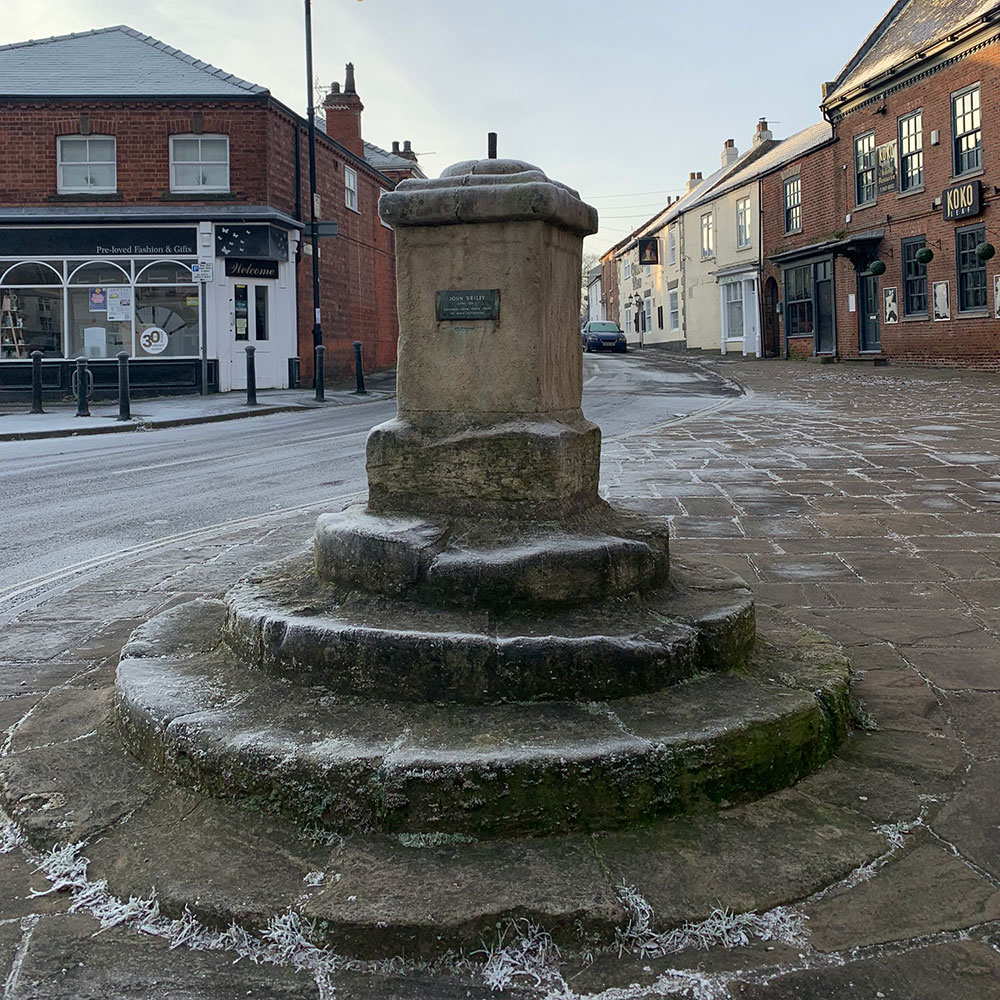
Epworth’s trading heritage is deeply rooted in the Isle of Axholme’s agricultural landscape and its position as a commercial centre for nearby rural communities. Local officials began lobbying to become a market town in the medieval period, around the 13th and 14th centuries, but it wasn’t until 1380, during the reign of Richard II, and after years of petitioning, that the town secured the privilege of a weekly market. Held in the marketplace and the undercroft of the market hall, it saw magistrates appointed to regulate trade, bailiffs to collect taxes and vendors to provide specialist services to customers.
As the town grew, so did the demand for a stable supply of goods, and traders expanded the shopping area west along the High Street. These shops, often with small windows to display goods, had counters facing the street so customers could be served outside the building. Specialised shops catering to different goods became common, and although these early retail spaces were modest, the layout enabled the town to host shops, such as apothecaries, bakers, butchers and cobblers. With their shopfronts close to the pavement, many shopkeepers had a strip of land behind called a burgage plot. On these, they could grow vegetables and keep farmyard animals to help supplement their income. Although these medieval shops were small, they laid the foundation for the retail units that would follow.
By Victorian times, the shops in Epworth provided for all the town’s basic needs and more. Shops like William Read’s Hardware Emporium sold everything from gin to dolly tubs. Further down the street, there were drapers, milliners, grocers, a fishmonger, a chemist and even a photographer’s studio. On the other side of the main crossroads, Walster Brothers made and sold bicycles to order, and Harris’ the towns’ Blacksmiths supplied many everyday metal utensils.
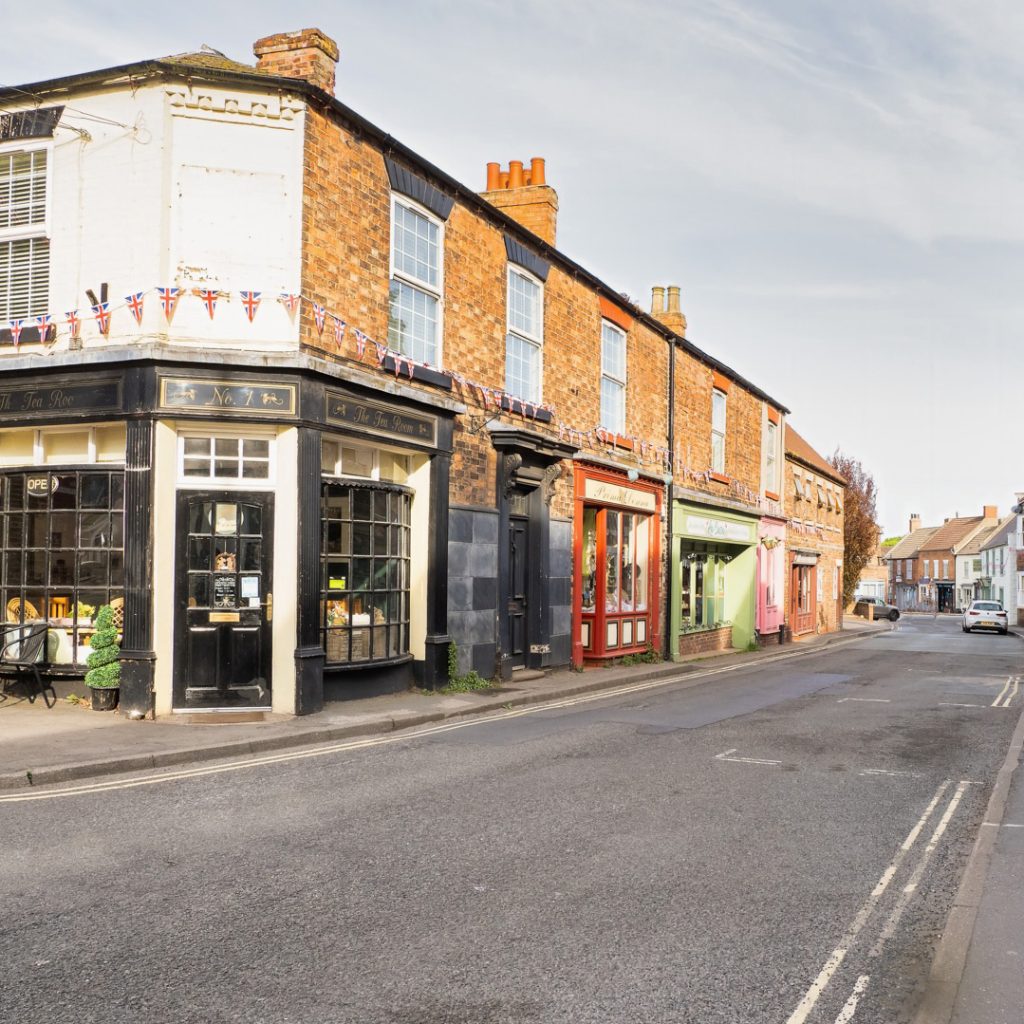
Today Epworth’s Independent shops play a crucial role in the town’s vitality, character an resilience. Each shop reflects the tastes, creativity and personality of its owners, offering a shopping experience that’s distinct from uniformity of chain stores and out-of-town malls. Owners and employees know their customers by name, remembering details and preferences that create a personalised and trusted shopping experience. Epworth’s local shops are more that just places to buy goods, they are gathering spaces, sources of local identity, and lifelines that help sustain the community.